Career Growth in the UK: The Real-World Impact of Certificate in Logistics and Supply Chain Crisis Management

-- viewing now

Career Growth in the UK is a top priority for professionals seeking to advance in their careers. One of the most in-demand fields is Logistics and Supply Chain Management, with a Certificate in Logistics and Supply Chain Crisis Management being a highly sought-after qualification.

4.5
Based on 6,547 reviews

6,633+

Students enrolled

GBP £ 140

GBP £ 202

Save 44% with our special offer

Start Now

About this course

This certificate program is designed to equip learners with the skills and knowledge required to navigate the complexities of global supply chains and manage crises effectively. With a strong focus on Logistics and Supply Chain Management, this program covers topics such as risk management, crisis planning, and supply chain optimization. By completing this program, learners can expect to enhance their career prospects and increase their earning potential in the UK job market. Don't miss out on this opportunity to boost your career growth in the UK - explore the Certificate in Logistics and Supply Chain Crisis Management today and take the first step towards a successful and rewarding career.

100% online

Learn from anywhere

Shareable certificate

Add to your LinkedIn profile

2 months to complete

at 2-3 hours a week

Start anytime

No waiting period

Course details

• Supply Chain Management: This unit covers the principles and practices of supply chain management, including demand forecasting, inventory management, and logistics planning. It helps learners understand the importance of supply chain management in ensuring business continuity and resilience. • Crisis Management: This unit focuses on the strategies and techniques for managing supply chain disruptions, including natural disasters, cyber attacks, and global pandemics. It equips learners with the skills to develop and implement effective crisis management plans. • Logistics and Transportation: This unit explores the various modes of transportation, including road, rail, air, and sea, and their impact on supply chain operations. It helps learners understand the importance of logistics and transportation in ensuring timely and cost-effective delivery of goods. • Risk Management: This unit covers the principles and practices of risk management, including risk assessment, risk mitigation, and risk transfer. It helps learners understand the importance of risk management in ensuring business continuity and minimizing losses. • Business Continuity Planning: This unit focuses on the development and implementation of business continuity plans, including disaster recovery, incident management, and supply chain resilience. It equips learners with the skills to ensure business continuity and minimize disruptions. • Supply Chain Analytics: This unit covers the use of data analytics and statistical techniques to analyze and improve supply chain operations, including demand forecasting, inventory management, and logistics planning. It helps learners understand the importance of data-driven decision making in supply chain management. • Crisis Communication: This unit focuses on the strategies and techniques for communicating effectively during supply chain disruptions, including crisis messaging, stakeholder engagement, and media relations. It equips learners with the skills to manage stakeholder expectations and maintain reputation during crises. • Supply Chain Resilience: This unit covers the principles and practices of supply chain resilience, including supply chain design, supply chain flexibility, and supply chain agility. It helps learners understand the importance of supply chain resilience in ensuring business continuity and minimizing disruptions. • Global Supply Chain Management: This unit explores the complexities of global supply chain management, including cultural differences, language barriers, and regulatory requirements. It helps learners understand the importance of cultural awareness and adaptability in global supply chain operations. • Digital Supply Chain Management: This unit covers the use of digital technologies, including blockchain, artificial intelligence, and the Internet of Things (IoT), to improve supply chain operations, including supply chain visibility, supply chain transparency, and supply chain security. It helps learners understand the importance of digital transformation in supply chain management.

Career path

Primary Keywords: Certificate in Logistics and Supply Chain Crisis Management, Career Growth, UK Job Market, Supply Chain Management, Logistics and Supply Chain. Secondary Keywords: Supply Chain Manager, Logistics Coordinator, Procurement Specialist, Operations Manager, Inventory Manager, Transportation Manager. Career Roles:
  • Supply Chain Manager - Responsible for overseeing the entire supply chain process, from procurement to delivery, to ensure efficient and cost-effective operations.
  • Logistics Coordinator - Coordinates the movement of goods, products, and supplies from one place to another, ensuring timely and cost-effective delivery.
  • Procurement Specialist - Responsible for sourcing and purchasing goods and services from suppliers, ensuring compliance with company policies and regulations.
  • Operations Manager - Oversees the day-to-day activities of a company or department, ensuring smooth and efficient operations.
  • Inventory Manager - Responsible for managing and controlling inventory levels, ensuring that the right products are in the right place at the right time.
  • Transportation Manager - Oversees the movement of goods and products from one place to another, ensuring safe and efficient transportation.

Entry requirements

  • Basic understanding of the subject matter
  • Proficiency in English language
  • Computer and internet access
  • Basic computer skills
  • Dedication to complete the course

No prior formal qualifications required. Course designed for accessibility.

Course status

This course provides practical knowledge and skills for professional development. It is:

  • Not accredited by a recognized body
  • Not regulated by an authorized institution
  • Complementary to formal qualifications

You'll receive a certificate of completion upon successfully finishing the course.

Why people choose us for their career

Loading reviews...

Frequently Asked Questions

What makes this course unique compared to others?

How long does it take to complete the course?

What support will I receive during the course?

Is the certificate recognized internationally?

What career opportunities will this course open up?

When can I start the course?

What is the course format and learning approach?

Course fee

MOST POPULAR
Fast Track GBP £140
Complete in 1 month
Accelerated Learning Path
  • 3-4 hours per week
  • Early certificate delivery
  • Open enrollment - start anytime
Start Now
Standard Mode GBP £90
Complete in 2 months
Flexible Learning Pace
  • 2-3 hours per week
  • Regular certificate delivery
  • Open enrollment - start anytime
Start Now
What's included in both plans:
  • Full course access
  • Digital certificate
  • Course materials
All-Inclusive Pricing • No hidden fees or additional costs

Get course information

We'll send you detailed course information

Pay as a company

Request an invoice for your company to pay for this course.

Pay by Invoice

Earn a career certificate

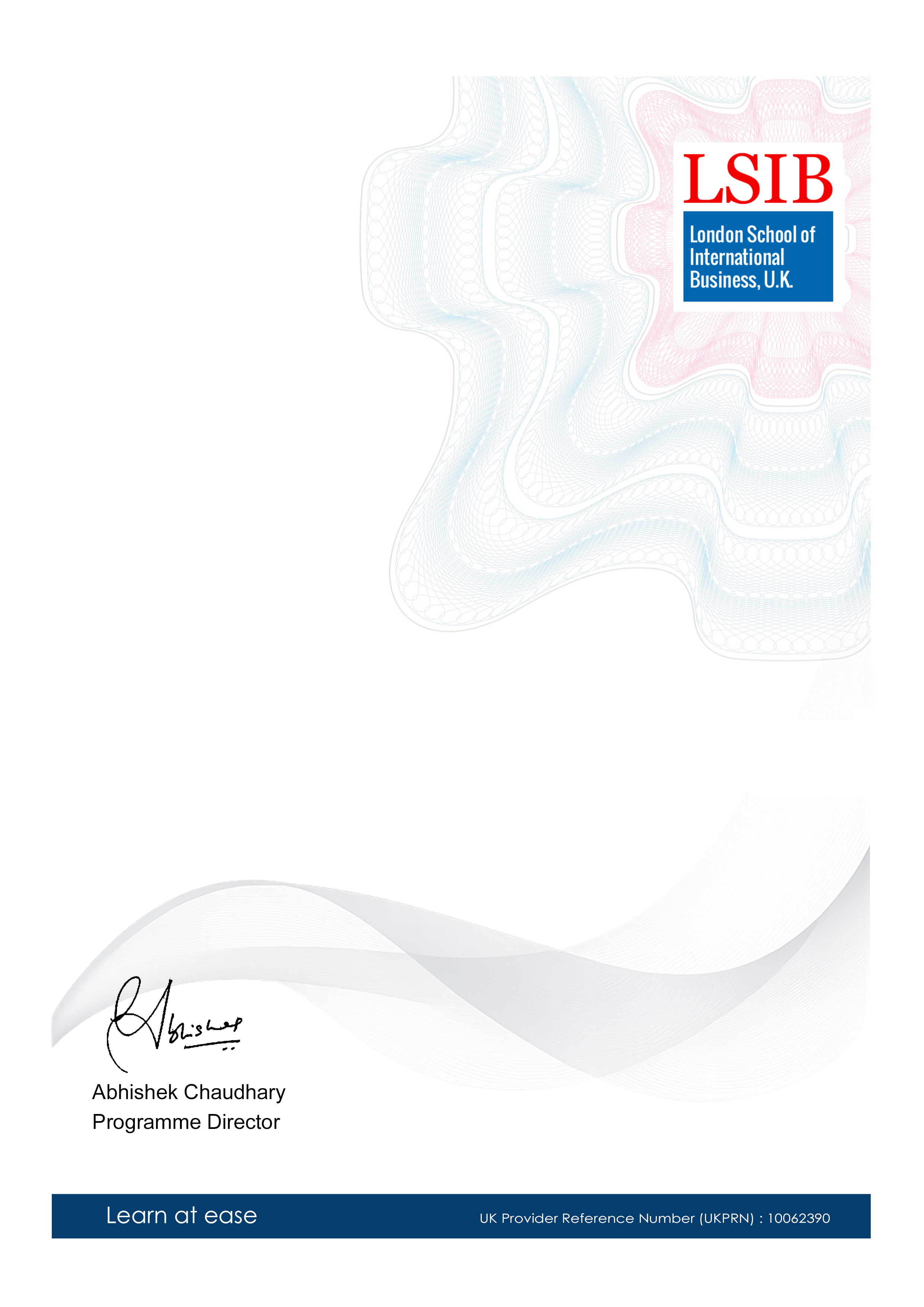
Sample Certificate Background
CAREER GROWTH IN THE UK: THE REAL-WORLD IMPACT OF CERTIFICATE IN LOGISTICS AND SUPPLY CHAIN CRISIS MANAGEMENT
is awarded to
Learner Name
who has completed a programme at
London School of International Business (LSIB)
Awarded on
05 May 2025
Blockchain Id: s-1-a-2-m-3-p-4-l-5-e
Add this credential to your LinkedIn profile, resume, or CV. Share it on social media and in your performance review.
SSB Logo

4.8
New Enrollment